

Rota is one of the most recognizable coastal towns in the province of Cádiz, known for its beaches, marina, old town streets, Andalusian atmosphere, and the mix of local life and international presence that gives it a unique identity. It is a place where visitors can enjoy long sandy beaches, seafood, promenades, traditional bars, and a slower rhythm that still feels lively when the town fills up in season. Some people come for family holidays. Others stay because they like the combination of beach access and local character. There are also visitors who know Rota through military connections, returning seasonal stays, or broader travel around the Bay of Cádiz. Because the town attracts a wide mix of people, it is common for travelers to search online before they arrive to understand practical local questions. One of the more specific questions that sometimes appears is whether tourists can join cannabis clubs in Rota, Spain.
It is a fair question, but it is also one that often starts from assumptions that do not really match how cannabis clubs are usually understood in Spain. Many travelers hear the phrase cannabis club and immediately think of a public dispensary or a licensed cannabis shop like the ones found in places where cannabis is sold openly through commercial retail systems. Spain is generally understood very differently. Cannabis clubs in Spain are more commonly associated with private member associations rather than ordinary public-facing stores. That distinction matters because it shapes the whole conversation. It affects what access may be possible, why proof of age and identity may matter, why internal rules are important, and why tourists should not assume that private associations operate like normal walk-in services designed for visitors.
If you are researching cannabis clubs in Rota, the most useful thing to understand from the beginning is that these spaces, where they exist, are generally not designed to function like ordinary public venues. They are more commonly linked to private membership, controlled entry, adult-only access, internal association procedures, proof of identity, and a more discreet structure than many first-time visitors expect. That matters in Rota because the town itself feels open and easy to enjoy. You can walk from beaches to bars, from the marina to the old center, and from local shops to public squares without much effort. A private cannabis association, however, usually belongs to a very different model from the visible public life that defines so much of the town.
This guide is written for adults who want a realistic and detailed explanation of the topic. It explores what cannabis clubs in Rota usually are, why people search for them here, whether tourists may be able to apply, how membership often works, why the legal context in Spain still matters, what kind of atmosphere a private club may have, and what local etiquette visitors should keep in mind. The goal is to provide a clear and search-friendly article that answers real questions without exaggerating, oversimplifying, or presenting private cannabis associations as something they are not.
What Cannabis Clubs in Rota Usually Are
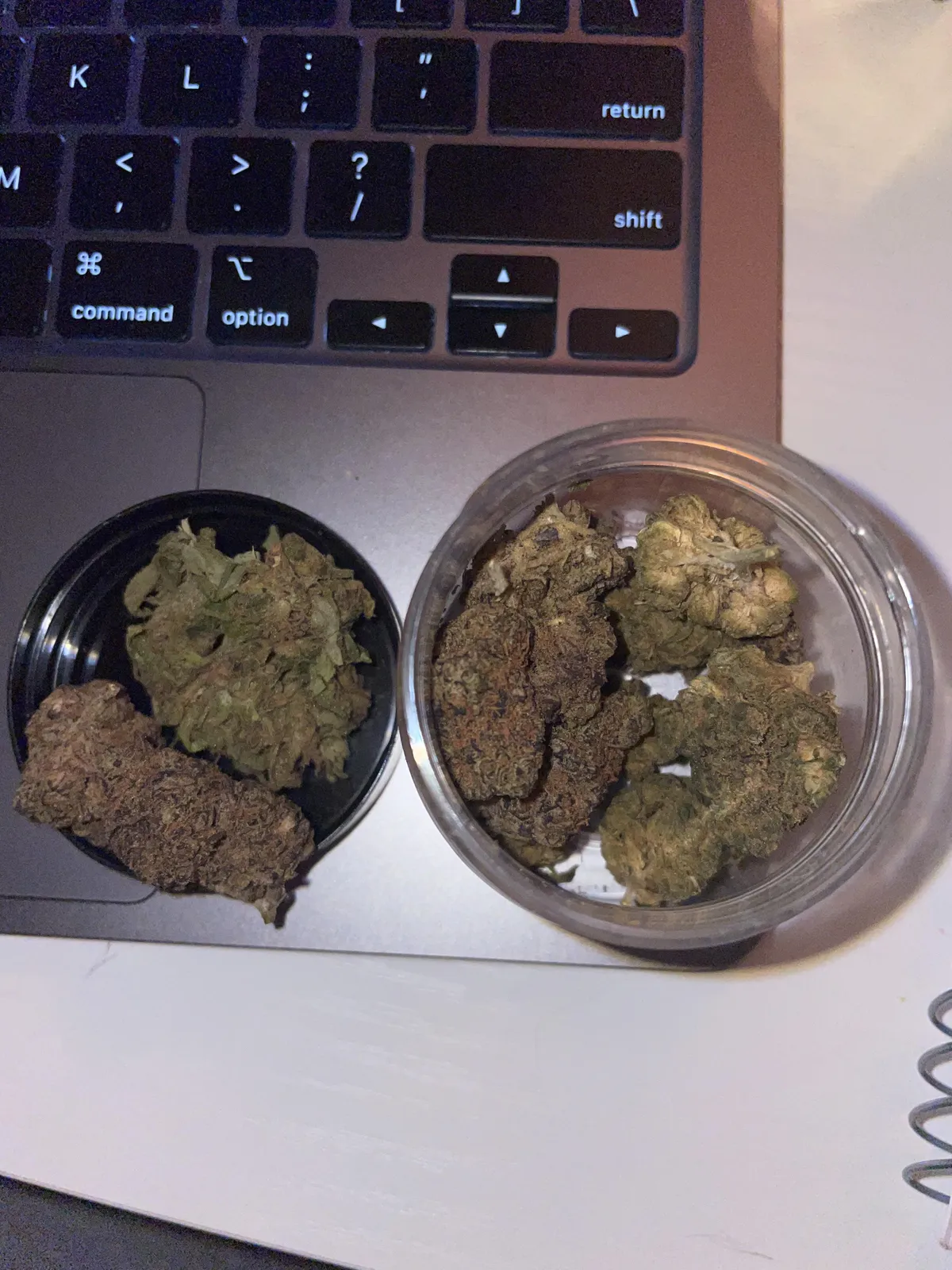
When people search for cannabis clubs in Rota, they are generally not searching for a standard public cannabis shop in the ordinary retail sense. In Spain, cannabis clubs are more commonly described as private associations for adult members. That is the key foundation for understanding the whole subject. These associations are not usually presented as open businesses where anybody can walk in from the street, browse products, and make a direct purchase in the same way they might in a fully commercial cannabis market elsewhere.
For many first-time visitors, this is where confusion begins. The phrase cannabis club sounds simple and familiar, but in Spain the structure behind it is often much more private and much more controlled than people expect. The model is generally linked to adult membership, proof of age, identity verification, internal rules, and a members-only environment rather than casual public access. That is one reason why people often use terms such as private cannabis association, social club, or members-only club instead of dispensary. Those words matter because they reflect the way the system is generally understood.
In Rota, this distinction matters especially because the town itself has a visible and social public atmosphere. Visitors experience Rota through beach promenades, terraces, bars, local celebrations, marinas, and a very walkable center. That can make people assume that if cannabis clubs exist nearby, they must also be public, easy to locate, and easy to enter. That is usually not how private associations are described. Even in a town that feels relaxed and socially open, a cannabis club is generally expected to function through controlled membership rather than spontaneous public foot traffic.
Someone searching for a weed club in Rota or a cannabis social club near Rota is often trying to understand whether private cannabis associations exist in this part of Andalusia and whether they function in the same way as clubs they may have heard about in larger places such as Barcelona or Madrid. The most realistic answer is that expectations should still be based on the private-association model rather than open public retail access. If a club exists in or around Rota, it is generally better understood as a private environment for approved members rather than as an obvious part of the town’s visible tourism or nightlife scene.
That one distinction explains a great deal. Many people know Spain has cannabis clubs, but they do not always realize how different a private association is from a public cannabis market. Once that difference becomes clear, the rest of the subject becomes far easier to understand in realistic terms.
Why People Search for Cannabis Clubs in Rota
Rota attracts a broad range of visitors, and that helps explain why cannabis-related searches appear in connection with the town. Some people come for the beaches and sea views. Others choose Rota because it feels more grounded and local than larger tourism centers while still offering a lot of convenience. Some stay there because they already know the town through family, work, or military community ties. Others come because they want to explore the province of Cádiz while staying somewhere that combines beach life with an easy-going urban layout. Because the town appeals to short-term visitors, longer-stay guests, and people with local links, online planning before arrival is common.
Cannabis-club searches become part of that wider planning process because Spain has developed an international reputation for private cannabis associations. Even travelers who know very little about the legal or cultural details may have heard that cannabis clubs exist somewhere in Spain. Once they decide to stay in Rota or nearby, they naturally start looking for local answers. That leads to searches such as cannabis clubs in Rota, can tourists join cannabis clubs in Rota, weed club near Rota, cannabis social club Rota Spain, or private cannabis club in Cádiz province.
There is also a practical reason why these searches happen. A private association is not usually obvious to a visitor simply by walking through town. A tourist can arrive in Rota and quickly understand where the beaches are, where the marina is, where to eat, and how the town is organized. A private cannabis association generally does not operate with that same public visibility. Because these spaces are usually more discreet and membership-based, people want to understand the process before they arrive rather than hoping it will all become clear after the fact. They want to know whether tourist applications may be possible, whether proof of identity matters, and whether the real process is much more limited than casual online discussion suggests.
Search geography matters too. Rota is a strong destination name on the Bay of Cádiz, and some travelers staying nearby may still search using the town name because it is their main local reference point. Others may be dividing time between several nearby coastal towns and using Rota as one of their search anchors. That means a location-specific page about Rota often answers both direct town-based intent and broader nearby search intent.
Can Tourists Join Cannabis Clubs in Rota?
This is the main question most readers want answered, and the most accurate response is that it depends on the specific private association. Some cannabis clubs may be willing to consider applications from tourists or short-term visitors, while others may not accept them. There is no universal rule that says every tourist in Rota can automatically join a cannabis club, and there is no general public right to enter a private association simply because someone is visiting Spain.
That matters because many visitors begin with expectations that do not fit the private-club model very well. They hear that Spain has cannabis clubs and imagine that means simple tourist access in any beach destination. In practice, private associations usually make their own decisions about who may apply and how membership works. One association may be willing to consider adult visitors who provide valid identification, meet the age requirement, and complete the registration process correctly. Another may prefer a more local, more regular, or more selective membership base. Another may not be taking new members during certain periods. Another may have internal standards that make short-term visitor applications less likely. The association’s own membership policy matters a great deal.
Because of that, tourists should think in terms of possible eligibility rather than guaranteed access. A tourist may be eligible to apply in some situations, but that is not the same as saying entry is automatic. The private nature of the association remains the central point. If a club exists in or around Rota, it is generally not intended to function as a simple public convenience for passing holiday traffic. It is much more likely to remain private, controlled, and shaped by internal membership rules.
In Rota, this point is especially important because the town’s relaxed social atmosphere can easily create misleading expectations. Visitors may assume that because so much of life happens in the open, from beach walks to tapas bars, everything local must work through easy public access. That is often not how private cannabis associations operate. Even in a welcoming and highly social coastal town, a private club may still be shaped much more by internal member culture, local routines, and established expectations than by outside tourist demand.
So can tourists join cannabis clubs in Rota, Spain? In some situations they may be able to apply, but the answer always depends on the private association, its current membership policy, and the way it handles applications from visitors. That is the clearest and most realistic answer because it reflects the actual private-association model rather than reducing a more nuanced issue to a simple yes or no.
How Membership Usually Works
For people trying to understand how cannabis clubs in Rota usually operate, the key point is that access is generally tied to membership rather than public walk-in entry. This is one of the biggest differences between a private cannabis association and an ordinary public-facing business. Instead of thinking like a customer entering a shop, it is more accurate to think like someone applying to enter a private members-only environment.
Identity verification is often one of the most important parts of the process. A private association will usually want to confirm that the applicant is an adult and that their identity can be verified through valid official documents. For tourists, that often means a passport or another government-issued identification document. This reflects the private nature of the model. These spaces are not generally intended for anonymous public traffic. Associations usually want to know who is applying and whether that person meets the conditions for membership.
There may also be a registration process involved. Depending on the association, this could include a membership form, acknowledgment of internal rules, or another step confirming that the applicant understands the private and members-only nature of the environment. Some clubs may expect prior communication before any visit. Others may have a more direct intake process. Even so, the basic principle remains the same. Entry is generally based on approval, internal policy, and membership rather than casual public entry.
Age standards can also vary. Legal adulthood is the basic minimum, but some associations may set a higher age threshold under their own internal rules. Clubs may differ in how they handle guests, referrals, repeat visitors, or periods of increased demand. That is why no traveler should assume that one story about one cannabis club elsewhere in Spain automatically applies in Rota. Private associations can differ significantly in tone, culture, and internal standards.
It is also important to remember that membership is about more than simply being allowed in. Private clubs usually expect members to respect the environment, follow the internal code of conduct, and understand that the setting is not a public tourist attraction. Conduct matters just as much as documentation and registration. Someone who approaches a private club as if it were simply another stop on a holiday plan is likely approaching it with the wrong mindset. A more realistic perspective is to see membership as entry into a private setting with rules, expectations, and boundaries.
Why the Legal Context in Spain Matters
One of the biggest reasons tourists misunderstand cannabis clubs in Spain is that the legal context is often oversimplified online. People hear that cannabis clubs exist and assume that cannabis must therefore be openly legal in a broad public sense. That is not an accurate understanding of the issue. The existence of private associations does not mean cannabis is sold through unrestricted public retail channels or that public cannabis use is generally free from legal consequences.
In Spain, cannabis clubs are usually discussed within a framework of private associations and private-member access rather than open public cannabis trade. That distinction matters because it explains why the system differs so much from the public dispensary models some visitors may know from elsewhere. A private cannabis association is not the same thing as a public cannabis store operating in a fully commercial legal market. These are fundamentally different systems.
For visitors in Rota, this has practical consequences. Public behavior still matters. Public consumption can create legal problems. Public possession may also create issues depending on the circumstances and the local response. Tourists should not assume that because they have heard about cannabis clubs in Spain, cannabis use must therefore be acceptable on beaches, promenades, marina zones, public squares, or ordinary streets. In a town where residents, military-linked communities, workers, families, and tourists all share public space closely, that misunderstanding can create avoidable trouble quickly.
Regional realities and local interpretation can also differ. That is another reason why nobody should rely on vague online myths or oversimplified travel advice. What sounds simple in a short comment may not reflect the actual reality in a particular municipality or season. The safest and most sensible approach is to keep a clear distinction between what may happen inside a private association and what still matters in public space.
Anyone researching cannabis clubs in Rota should therefore approach the legal side with realism and caution. Private membership, where available, is one thing. Broad public freedom is something completely different. Confusing those two ideas is one of the most common mistakes visitors make.
What Tourists May Need if They Apply
Many visitors want practical clarity on what may be required if they try to apply to a private cannabis club in or near Rota. While every association can set its own exact standards, several common points usually apply. The first is proof of identity. A private association generally wants to know who the applicant is. For international visitors, a valid passport is often the most relevant document. In some cases another official government-issued identification document may also matter, but the association’s internal policy can vary.
The second is proof of age. Cannabis clubs are generally intended for adults only, and some associations may set a minimum age above the basic legal threshold. This is part of the internal control many private clubs maintain over membership. It also means visitors should not assume that every adult tourist will automatically be treated in exactly the same way.
The third is acceptance of internal rules. A private club is not simply checking documents for formal reasons. It also wants members to understand the private nature of the environment they are entering. This may involve a membership form, acknowledgment of the code of conduct, or another step confirming that the applicant understands the setting is members-only rather than a public tourist venue. This part of the process matters because it reinforces the difference between a private association and an ordinary public business.
There may also be less predictable variations depending on the association. Some clubs may not be taking new members during busy periods. Some may be more open to regular or local members than to short-term visitors. Some may consider tourist applications only after prior contact. Others may simply have a more reserved internal culture. That is why the most realistic explanation is always that tourists may be able to apply in some situations, but there is no universal process that works exactly the same way everywhere.
For people searching questions such as what documents do tourists need for a cannabis club in Rota or can foreigners join cannabis clubs in Spain, the best general answer is that proof of identity, proof of age, and acceptance of internal rules are usually central, but the exact policy depends on the private association involved.
What a Private Club Environment May Feel Like
Many people searching for cannabis clubs in Rota also want to know what kind of atmosphere a private club may have. While every association can differ, private cannabis clubs in Spain are usually more discreet and more controlled than many travelers first imagine. They are not typically designed to resemble loud nightlife venues, openly advertised tourist attractions, or highly visible public spaces.
Some associations may have a lounge-style indoor setting where members spend time in a calm and relatively low-key atmosphere. Others may be simpler and more functional. Some may feel strongly local in character, while others may be somewhat more familiar with visitors from outside the area. Even so, the main idea remains that these spaces are generally intended for members rather than for public entertainment. Their atmosphere is usually shaped more by privacy, internal culture, and association rules than by tourism.
In Rota, this point is especially worth emphasizing because the town itself is already socially rich in public life. A visitor might assume that any cannabis club in the area would simply blend into the wider rhythm of bars, beach walks, and seafront activity. In reality, a private association is much more likely to remain separate from public-facing life than to mirror it. One reason some people appreciate the private-club model is precisely that it offers a more controlled and less exposed setting than visible public social activity.
That means expectations should remain realistic. A private club in or near Rota is not necessarily going to resemble a beach venue, nightlife spot, or tourist-facing business. In many cases it will feel far more internal, private, and member-oriented. Travelers who understand that are much more likely to approach the subject sensibly than those expecting a public attraction or a simple walk-in experience.
Local Etiquette in Rota
Rota is a holiday destination, but it is also a real town with residents, families, local businesses, schools, public services, and a public life that continues through every season. That means etiquette matters. In places where visitors and locals share beaches, streets, plazas, and public spaces closely, behavior stands out more than many tourists expect.
For that reason, discretion is important. If tourists are researching cannabis clubs in Rota, they should remember that private really means private. Even if a visitor may be eligible to apply to a private association in the area, that does not mean the topic should be treated casually in public. Talking loudly about cannabis on beaches, promenades, around the marina, in restaurants, near hotels, or in other public spaces is unlikely to fit well with the local environment. Treating private associations like novelty attractions also misses the point of the private-club concept entirely.
A better approach begins with understanding what kind of place Rota is. It is known for beaches, local town life, the marina, Andalusian atmosphere, and a strong social rhythm that is still shaped by everyday residents. It is not an openly public cannabis destination. The local atmosphere still depends on moderation, common sense, and respect for shared space. Visitors who understand the difference between private membership and public conduct are much less likely to create problems for themselves or for others.
This matters especially in high season, when the town is busier and behavior is more visible. One of the most useful practical tips any visitor can keep in mind is simple: even if you are curious about cannabis clubs in Rota, approach the topic quietly, realistically, and with respect for the town you are visiting.
Why Planning Ahead Is Better Than Guessing
Because cannabis clubs are generally private associations rather than public walk-in businesses, planning ahead is almost always the better approach. This is especially true in Rota, where the town’s openness and easy holiday rhythm can make it tempting to assume that everything will be straightforward once you arrive. Private associations do not usually work through the same visible logic as beaches, promenades, bars, and hotels. If they exist nearby, they are likely to operate according to their own internal rules rather than tourist expectations.
Researching in advance helps in several ways. It reminds visitors that private associations may or may not exist in the area. It helps them understand that tourist access is not guaranteed. It prepares them for the possibility that identity checks, age verification, registration, and internal rules may all matter. Most importantly, it prevents the common mistake of assuming that all cannabis-related questions in Spain have simple public answers.
Planning ahead also keeps the topic in perspective. Rota is mainly known for its beaches, marina, food, social atmosphere, and broader Bay of Cádiz identity. For people interested in cannabis clubs, that subject should remain one practical question within a broader travel plan rather than becoming the main way the destination is defined. That perspective is healthier, more realistic, and much closer to the actual identity of the town.
From an SEO point of view, this is one reason detailed local content is useful. People searching for can tourists join cannabis clubs in Rota, real cannabis club rules in Rota Spain, or how private cannabis associations work in Cádiz province are usually looking for clarity rather than hype. Good information meets that need by explaining the private nature of the model, the importance of realistic expectations, and the difference between private access and public behavior.
Why Rota Is Such an Appealing Destination
Understanding why people search for cannabis clubs in Rota also means understanding why the town is so appealing in the first place. Rota offers a combination that many travelers value. It has beaches, seafront walks, local food, practical urban life, and a town atmosphere that feels genuinely Andalusian while also being very accessible to visitors. It feels coastal without losing local substance. It feels lively without becoming too overwhelming. It offers sea, social life, and practicality in one place.
That combination gives Rota broad appeal. It works for families, couples, longer-stay visitors, military-linked visitors, food lovers, and travelers who want the sea without giving up local identity. It also suits people who prefer a town with both beach and everyday life rather than a place built entirely around tourism. Because of that, many visitors research Rota carefully before they travel. They want to know not just what to do, but how the town works and what local realities may shape their stay.
Cannabis-club searches are simply one part of that broader pattern. Adults who have heard about Spain’s private cannabis association model may naturally wonder whether it applies in a place like Rota. Whether access is possible or not, the search itself makes sense because the town attracts visitors who often want practical local answers before they arrive.
Frequently Asked Questions About Cannabis Clubs in Rota
Are there cannabis clubs in Rota, Spain?
There may be private cannabis associations in Rota or in the surrounding Bay of Cádiz area, but availability can change and some associations may operate discreetly. Because these spaces are not usually promoted like ordinary public retail businesses, current information is always more reliable than assumption.
Can tourists join cannabis clubs in Rota?
Some private associations may consider applications from tourists or short-term visitors, while others may not accept them. There is no universal guarantee of access. Tourist eligibility depends on the specific association and its current membership policy.
Can you just walk into a cannabis club in Rota?
In many cases, no. Cannabis clubs in Spain are usually linked to private membership rather than unrestricted public entry. That often means identity verification, age checks, and some form of registration may be required before access is considered.
What documents may matter for tourists?
A valid passport or government-issued identification is commonly important because private associations generally need to verify age and identity. Some clubs may also require a membership form or acknowledgment of internal rules as part of the process.
Are cannabis clubs in Rota the same as dispensaries?
No. The cannabis club model in Spain is usually different from the public dispensary systems found in some other countries. These clubs are generally understood as private member associations rather than open retail stores for the general public.
Is cannabis legal in Rota?
The legal context in Spain is often described as nuanced. Private associations may exist within a specific framework, but public use and public possession can still create legal problems. Tourists should not assume that the existence of clubs means cannabis is openly legal in every setting.
Is planning ahead important?
Yes. Because private cannabis associations are generally not standard walk-in tourist businesses, planning ahead is one of the best ways to avoid confusion and unrealistic expectations.
Final Thoughts on Cannabis Clubs in Rota
Rota is one of the most attractive and balanced coastal towns in Cádiz province, and it makes sense that visitors often search for useful local information before they arrive. Questions about cannabis clubs are one part of that wider travel-planning process, especially for adults who have heard about Spain’s private association model and want to know whether it applies in a destination like this.
The most important thing to remember is that cannabis clubs in Rota, if available, are generally best understood as private member associations rather than public dispensaries. That distinction shapes everything else. It affects whether tourists may be able to apply, how membership usually works, why age and identity checks matter, why internal rules are important, and why public assumptions borrowed from other countries can easily create confusion. Some associations may consider tourist applications. Others may not. Some may expect advance communication. Others may operate even more discreetly. There is no single answer that applies in every case.
For anyone asking can tourists join cannabis clubs in Rota, Spain, the clearest answer is that it may be possible in some situations, but it always depends on the private association and its current membership policy. Accurate information, realistic expectations, and a respectful attitude toward the local setting are essential.
In a destination like Rota, where the appeal lies in the beaches, marina, food, town life, and the relaxed but social rhythm of the Bay of Cádiz, discretion and common sense still matter. Visitors who understand the private nature of cannabis clubs and avoid treating the topic like a simple public retail question are much more likely to approach it responsibly and in a way that fits the local reality.