
Alcala del Rio Cannabis Clubs

Alcalá del Río is one of those Andalusian towns that tends to make sense only when you stop looking at Spain through the lens of beaches, resort strips, and major city breaks. Situated in the province of Seville, close enough to the capital to remain connected but far enough to keep its own pace, it is a place shaped by local routines, river geography, ordinary town life, and a social atmosphere that belongs first to the people who live there. Some visitors come because they have family or friends nearby. Others use it as a practical base while moving around the wider Seville province. Some are drawn by the quieter pace, the Guadalquivir setting, or the simple fact that not everyone wants another polished tourist center. When people prepare for a trip to a town like this, the questions they ask are often less about famous attractions and more about how local life actually works. One of those questions can be whether tourists can join cannabis clubs in Alcalá del Río, Spain.
It is a fair question, but it usually starts from a misunderstanding. A lot of people hear the phrase cannabis club and immediately imagine a public dispensary or a visible cannabis store where products are sold openly in a retail format. That expectation often comes from looking at systems outside Spain. Spain is usually discussed very differently. Cannabis clubs here are commonly linked to private member associations rather than public-facing cannabis businesses. That distinction is not just a technicality. It changes the whole topic. It affects what type of access may be possible, why proof of identity matters, why internal club rules carry so much weight, and why tourists should not assume that a private association works like a normal walk-in service.
If you are researching cannabis clubs in Alcalá del Río, the most useful place to begin is by understanding that any relevant space, where it exists, is generally not designed to operate like an ordinary public venue. These spaces are more often tied to private membership, controlled access, adult-only participation, internal procedures, identity checks, and a lower-profile structure than many first-time visitors expect. That matters in Alcalá del Río because the town itself feels relatively straightforward. You can understand its public-facing life quickly. There are local bars, streets, cafés, municipal routines, and everyday movement that make the place feel readable. A private cannabis association, however, usually belongs to a different logic than the visible and public rhythm of town life.
This article is meant for adults who want a realistic explanation rather than a travel myth. It looks at what cannabis clubs in Alcalá del Río usually are, why people search for them here, whether tourists may be able to apply, how membership often works, why the legal context in Spain still matters, what kind of atmosphere a private club may have, and what local etiquette visitors should keep in mind. The goal is to answer the real search intent behind the question clearly and responsibly.
What Cannabis Clubs in Alcalá del Río Usually Are
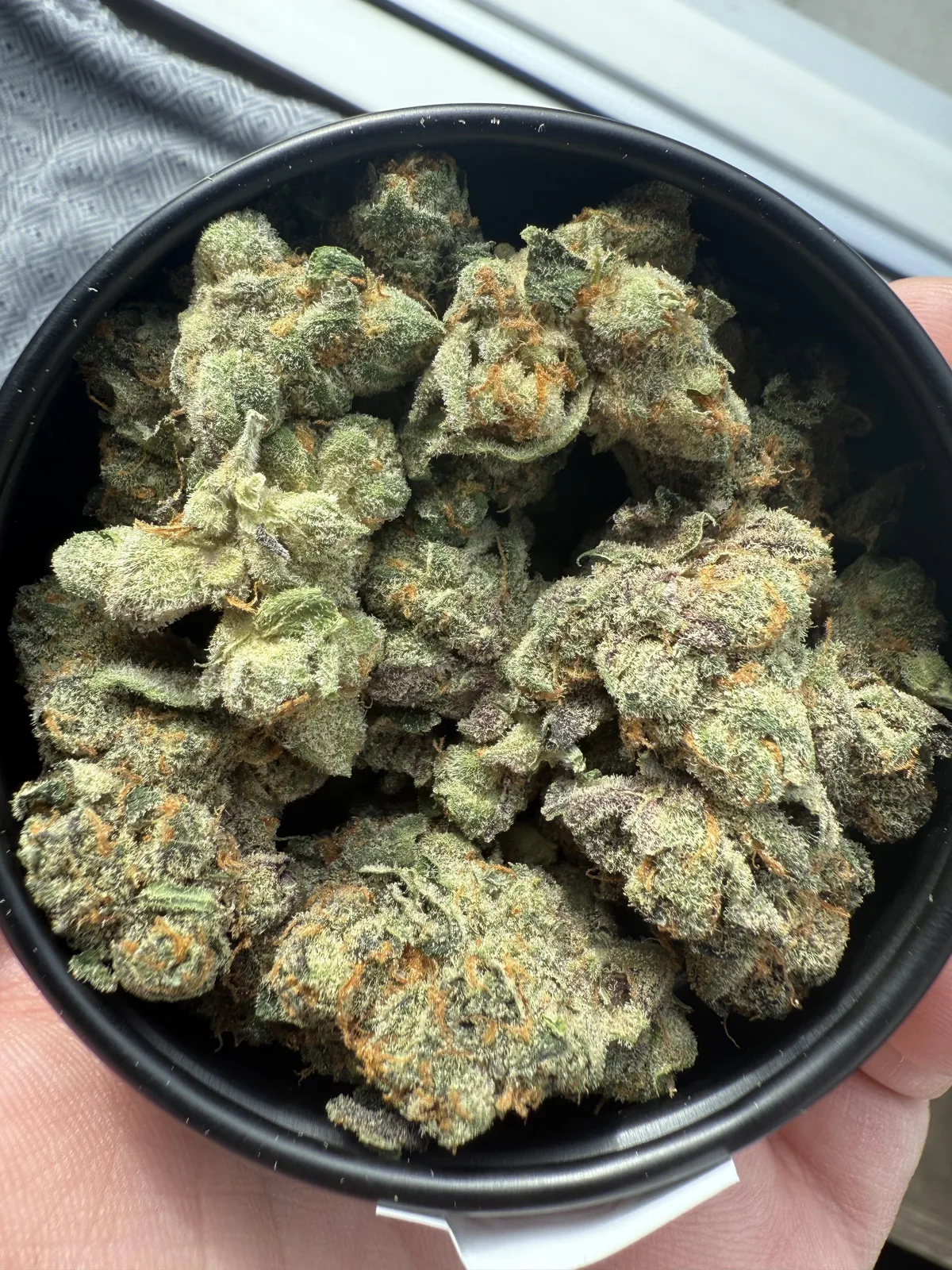
When people search for cannabis clubs in Alcalá del Río, they are usually not searching for a standard public cannabis shop. In Spain, cannabis clubs are more commonly described as private associations for adult members. That is the starting point that makes the rest easier to understand. These associations are not usually presented as open commercial venues where anyone can walk in off the street, browse a menu, and buy cannabis in the same way they might in a public legal market elsewhere.
For a first-time visitor, this can feel confusing because the words themselves sound simple. A cannabis club sounds as though it should be visible, accessible, and easy to understand from the outside. In the Spanish context, though, the model is generally tied to membership, internal rules, proof of age, proof of identity, and a private environment rather than public consumer access. This is why terms like private association, social club, or members-only club are usually more accurate than words like dispensary. Those terms reflect the way these spaces are commonly understood.
In a town like Alcalá del Río, this matters even more. This is not a place dominated by transient tourism. It is a local town with family life, ordinary commerce, schools, practical daily movement, and a rhythm that belongs to residents. Visitors walking through the center may feel the town is easy to understand, and in many ways it is. But that public familiarity should not be confused with private access. Even in a smaller, more everyday setting, a cannabis association is not generally expected to function as something openly integrated into the visible public fabric of the town.
Someone searching for a weed club in Alcalá del Río or a cannabis social club near Alcalá del Río is often really trying to answer a broader question. They are asking whether private cannabis associations in a local Andalusian setting work the same way as in bigger, more talked-about places. The realistic answer is that the same private-association logic still applies. If a club exists in or around the town, it is generally better understood as a private space for approved adult members rather than as an obvious part of the ordinary town-center experience.
That distinction is crucial because many people know Spain has cannabis clubs but do not realize how far that idea is from a public retail model. Once that becomes clear, the rest of the topic starts to make much more sense.
Why People Search for Cannabis Clubs in Alcalá del Río
Alcalá del Río does not attract the same kind of visitor as Marbella, Ibiza, or Barcelona, and that changes the nature of the search intent. Some people looking this up are not classic tourists at all. They may be staying with family, spending time nearby for work, or using the town as a practical point within a larger trip through Seville province. Others may be interested in quieter Andalusian places and prefer towns that feel more local and less polished. There are also longer-stay visitors and people with local connections who naturally ask more practical questions than someone arriving for one night in a major city.
Cannabis-club searches become part of that planning process because Spain has built an international reputation for private cannabis associations. Even if someone knows very little about the details, they may still assume that clubs exist in many parts of the country and wonder whether that applies here too. Once they know they will be in or near Alcalá del Río, they search for something more specific. That is where terms like cannabis clubs in Alcalá del Río, can tourists join cannabis clubs in Alcalá del Río, or weed club near Alcalá del Río begin to appear.
There is also a simple practical reason for these searches. A private association is not normally visible in the way that restaurants, cafés, or supermarkets are. A person can arrive in Alcalá del Río and quickly get a sense of where public life happens, but that tells them nothing about whether there is a relevant private members’ space nearby, what rules it follows, or whether temporary visitors are ever considered. Because these spaces are more discreet and membership-based, people often want the structure explained in advance rather than relying on guesswork later.
Search geography matters too. Alcalá del Río can act as a local reference point for nearby villages, residential areas, and rural stays. Not everyone searching the town name is necessarily sleeping in the center itself. Some are using the place name because it is the most practical label they know in the immediate area. That means a city-specific page like this often serves a broader local search intent as well.
Can Tourists Join Cannabis Clubs in Alcalá del Río?
This is the central question, and the most honest answer is that it depends entirely on the private association. Some clubs may be willing to consider applications from tourists or short-term visitors, while others may not. There is no universal rule that says every tourist in Alcalá del Río can automatically join a cannabis club, and there is no public right to enter a private association simply because someone is visiting Spain.
That point matters because many visitors start with the wrong expectation. They imagine that if clubs exist, then access should work in the same way as any other service they might use in town. But private associations generally decide for themselves how they handle membership. One may consider adult visitors who can show valid identification, meet age requirements, and complete the association’s internal registration process. Another may focus on regular or local members. Another may not be taking new members at all. Another may have standards that make temporary or tourist applications less likely.
Because of that, it is better to think in terms of possible eligibility rather than guaranteed access. A tourist may be eligible to apply in some situations, but that is not the same as saying access is automatic. The private nature of the association remains the key issue. If a relevant club exists in or near Alcalá del Río, it is generally not designed to function as a public convenience for passing visitors. It is much more likely to remain controlled, internally governed, and shaped by its own membership rules.
This matters even more in a town like Alcalá del Río because the place itself is so rooted in ordinary local life. Visitors who assume that smaller Andalusian towns must be more casual or less structured in all respects may easily misread the situation. Even if a private association exists nearby, it may still be shaped far more by local routines, member culture, and internal expectations than by outside tourist interest.
So can tourists join cannabis clubs in Alcalá del Río, Spain? Sometimes that may be possible, but there is never a universal answer. The specific association and its current rules always matter more than general assumptions.
How Membership Usually Works
To understand how access usually works, it helps to stop thinking like a customer and start thinking like someone applying to enter a private members-only space. That is the key difference between a cannabis association in Spain and a public retail model.
The first common element is identity verification. A private association generally wants to know who the applicant is. For tourists, that usually means a valid passport or other official government-issued identification. This is not just a formality. It reflects the fact that the space is not meant for anonymous public traffic.
The second element is proof of age. Cannabis associations are generally intended for adults, and some may apply a higher age threshold than the legal minimum. This is one of the ways they control membership and shape the internal environment.
The third element is some kind of registration or acknowledgement of internal rules. Depending on the association, this could mean a form, an agreement to house rules, or another step confirming that the person understands the private and members-only nature of the setting. Some clubs may also prefer prior contact rather than spontaneous arrival.
There can be other differences too. Some associations may be more open to regular or locally connected members than to short-term visitors. Some may not be taking new members at all during certain periods. Some may rely more heavily on referral culture or internal discretion. That is why one person’s experience elsewhere in Spain should never be treated as a guaranteed guide to how things will work in Alcalá del Río.
It is also important to remember that membership usually implies behavioral expectations. A private club is not only granting entry. It is also expecting discretion, respect, and compliance with internal standards. This is another reason the model should not be confused with public retail access.
Why the Legal Context in Spain Matters
One of the biggest problems around this topic is that the legal picture in Spain is often flattened into slogans online. People hear that private clubs exist and turn that into a broad assumption that cannabis must therefore be openly legal in public life. That is not a reliable way to think about it.
Spain’s cannabis club model is generally discussed within the framework of private associations and private-member environments rather than open public trade. That matters because it explains why a private members’ space is not the same thing as a public dispensary. A private association does not automatically imply broad public cannabis legality.
For visitors in Alcalá del Río, that has practical consequences. Public behavior still matters. Public consumption can create legal issues. Public possession can also create complications depending on the exact circumstances and how local authorities interpret them. Tourists should not assume that because private clubs are discussed in Spain, cannabis-related behavior in streets, squares, cafés, parks, or public transport areas is therefore normal or risk-free.
Local interpretation and regional reality can differ as well. This is another reason why simplified internet myths can be misleading. A quick comment online may not reflect the actual reality in a particular municipality, and certainly not in a smaller inland place where local rhythm matters more than tourist expectation. The safest approach is always to keep the distinction between private members’ access and public behavior extremely clear.
What Tourists May Need if They Apply
Visitors often want straightforward guidance on what they may need if they try to apply to a private association relevant to Alcalá del Río. While exact standards always depend on the specific association, some broad themes usually apply.
First, proof of identity is normally essential. A private association generally wants to know who is applying, and a passport is often the most important document for tourists.
Second, proof of age matters. These spaces are usually for adults only, and some clubs may set a minimum age beyond the basic legal threshold.
Third, agreement to internal rules is often required. This may mean a form, an acknowledgment of club standards, or another internal step confirming that the applicant understands the private nature of the environment.
There may also be other practical differences depending on the club. Some may not take new members during particular periods. Some may be more comfortable with regular or locally connected people than with temporary visitors. Some may only consider tourist applications after prior communication. That is why the best broad answer is that identity, age, and internal agreement are commonly central, but exact policy depends on the association itself.
What a Private Club Environment May Feel Like
A lot of people trying to understand this topic are really trying to picture the kind of place a private cannabis association might be. In Spain, these spaces are often more discreet, quieter, and more internally focused than many outsiders imagine. They are not usually meant to feel like loud nightlife venues or obvious public attractions.
Some may feel lounge-like and calm. Others may be simpler and more practical. Some may feel strongly local in tone, while others may be somewhat more used to dealing with people from outside the immediate area. But the central point remains that these spaces are usually for members, not for public spectacle.
In or around a town like Alcalá del Río, this matters because the broader local environment already has a visible and everyday social rhythm. A visitor might assume that any club would simply blend into that. In reality, a private association is often more likely to remain distinct from ordinary public-facing life than to mirror it. That is part of what the private model means.
Local Etiquette in Alcalá del Río
In a smaller Andalusian town, etiquette matters more than many outsiders first realize. Public life is more visible, neighborhoods are more familiar, and the line between local routine and visitor behavior is often much closer than in a large city.
For that reason, discretion is especially important. Even if a tourist may be able to apply to a private association nearby, that does not mean the subject should be treated casually in public. Speaking loudly about cannabis in plazas, around cafés, near homes, or in visible public spaces is unlikely to fit the local tone. Treating private associations like novelty attractions also misses the point of the private-club idea entirely.
A better approach starts with understanding the place itself. Alcalá del Río is known for a slower, more local rhythm than major tourist centers. It is not an openly public cannabis destination. The local atmosphere still depends on moderation, common sense, and respect for shared space. Visitors who keep that distinction in mind are much less likely to create unnecessary problems.
Why Planning Ahead Helps
Because cannabis clubs are private associations rather than public walk-in businesses, planning ahead is normally the smarter option. This is especially true in a place like Alcalá del Río, where the visible structure of daily life may make everything seem more straightforward than it really is. Private associations do not usually follow that same visible logic.
Researching ahead helps clarify that private associations may or may not be relevant in the area, that tourist access is never guaranteed, and that identity checks, age verification, and internal rules may all matter. Most importantly, it helps avoid the mistake of assuming that all cannabis-related questions in Spain have simple public answers.
Planning ahead also keeps the topic in proportion. Alcalá del Río is mainly known for local life, riverside town identity, and a slower Andalusian pace. For someone interested in cannabis clubs, that should remain one practical part of a broader trip rather than the defining feature of the destination.
Why Alcalá del Río Appeals to Certain Visitors
Part of understanding why people search for cannabis-club information here is understanding why the town appeals to them in the first place. Alcalá del Río appeals to people who prefer local atmosphere, practical regional access, and a more grounded Andalusian environment than highly packaged visitor destinations. It suits longer stays, family visits, and those who want to experience everyday life rather than simply consume attractions.
That is why practical questions like this appear. Visitors are often not just asking what there is to see. They are asking how life works there. Cannabis-club searches fit naturally into that broader interest in realistic local information.
Frequently Asked Questions About Cannabis Clubs in Alcalá del Río
Are there cannabis clubs in Alcalá del Río, Spain?
There may be private cannabis associations relevant to Alcalá del Río or the surrounding Seville province area, but availability can change and some may operate discreetly. Current information is always more useful than assumption.
Can tourists join cannabis clubs in Alcalá del Río?
Some private associations may consider tourist applications, while others may not. There is no universal guarantee of access. Eligibility depends on the specific association and its current membership policy.
Can you just walk into a cannabis club in Alcalá del Río?
In many cases, no. Cannabis clubs in Spain are generally linked to private membership rather than unrestricted public access. Identity checks, age verification, and some form of registration may be required before access is considered.
What documents may matter for tourists?
A valid passport or government-issued identification is commonly important because private associations generally need to verify age and identity. Some may also require a form or acknowledgment of internal rules.
Are cannabis clubs in Alcalá del Río the same as dispensaries?
No. The cannabis club model in Spain is different from the public dispensary systems seen in some other countries. These spaces are generally understood as private member associations rather than public retail stores.
Is cannabis legal in Alcalá del Río?
The legal context in Spain is usually described as nuanced. Private associations may exist, but public use and public possession can still create legal issues. Tourists should not assume that the existence of clubs means cannabis is openly legal in all settings.
Is planning ahead important?
Yes. Because private cannabis associations are generally not standard walk-in tourist businesses, planning ahead is one of the best ways to avoid confusion and unrealistic expectations.
Final Thoughts on Cannabis Clubs in Alcalá del Río
Alcalá del Río is one of those local Andalusian towns where practical questions matter precisely because life there is not built around tourism first. When it comes to cannabis clubs, the most important thing to remember is that any relevant spaces are generally best understood as private member associations rather than public dispensaries.
For tourists, that means expectations should remain realistic. Access may be possible in some cases, but it always depends on the specific private association and its own membership rules. Proof of identity, age, internal standards, and respect for the private nature of the environment all matter.
In a place like Alcalá del Río, where the appeal lies in everyday life, local rhythm, and a more grounded Andalusian atmosphere, discretion and common sense still matter. Visitors who understand the difference between private cannabis associations and public cannabis retail are much more likely to approach the topic realistically and responsibly.